

Do your cloth diapers leak? They shouldn’t. Cloth diapers are designed to keep messes contained, so if you have a leak, something is going wrong somewhere.
So why then are your cloth diapers leaking?
Cloth diapers leak when one of 17 things go wrong:
This may seem like a lot, but that’s because they’re actually just many variations on the big four problems that could be occurring: fit issues, absorbency issues, wash/product issues, and PUL issues.
In this post, I’m going to cover each one of the variations and how to fix it, and then jump into the different types of leaks (at night, through the legs, through the top, etc.) to pinpoint the most likely causes of your specific leak.
At the end, I have a handy cheat sheet for you to make it easy for you if your diapers are leaking!
17 Causes of Leaking Cloth Diapers and How to Fix Them
1. The Diaper Doesn’t Fit Correctly
A bad fit is the most common cause of leaks and the first thing you should check when leaks happen since it’s also the easiest to solve.
Fit Checklist
Properly fitting diapers should:
- Sit flush inside the bikini line crease, with no gaps.
- Lay as flat as possible around the waist. You should be able to fit a few fingers in the top but the diaper still shouldn’t shift down even when your little one is busy running all over the place
- Sit just below the belly button in the front
- Cover the top of the bum completely at all times in the back
How to Fix it:
This type of leak is most often caused at the changing table, so if you find you have a fit problem, do check out this post about how to put on a diaper so it doesn’t leak.
When adjusting the fit remember that elastics are made to stretch, so worry more about getting a snug fit than putting it on too tight. Often, when adjusting the diaper, we get worried about it being too tight, or worry when we see light pink marks after taking a diaper off. Those marks called “sock marks” and are completely normal, and actually a good thing because you know that diaper is snug.
Important note: While sock marks are normal, any red marks that are deep in color, have a white substance in them or are blistered or bubbled in any way, that’s something else and it should be checked out right away by a pediatrician click here for more information.
2. The Diaper Isn’t Being Changed Often Enough
I know, it sounds terrible saying, “Make sure you’re changing them enough.” But sometimes life gets in the way and we don’t realize that baby’s schedule has changed and maybe now they are wetting six times a day instead of four for example.
How to Fix It
Making sure to change baby every time they wet is a good start and a good way to prevent leaks and moisture diaper rashes.
Newborns will wet or soil their diapers every two hours or less. That length of time between dirty diapers will lengthen as your baby gets older, but ultimately it will depend on the baby, and as we all know, regressions, changes, and all kinds of life things can throw a wrench in our routines, so just make sure to check if baby’s diaper is wet regularly.
3. There’s Wicking Happening
If you’re using a two-piece diapering system, like prefolds, flats, or fitteds, and you find that you regularly have some of the absorbent fabric sticking out of the waterproof cover, it’s likely a wicking leak that’s your problem.
Wicking is when the liquid will transfer from the inside fabric of the diaper to the outside fabric of your baby’s clothes (or bedding, or whatever else it’s touching).
How to Fix It
Thankfully, fixing a wicking leak is super easy, it just requires being diligent at the changing table and making sure none of the absorbent fabric is sticking out of the waterproof cover.
4. The Elastics Need to be Replaced
Shot elastics can cause cloth diaper leaks as they make it very hard not to have gaps around the legs, which as we’ve learned causes leaks.
Here are a few photos of two cloth nappies. Both are the same brand, the same size, purchased roughly around the same time. There’s only one difference: the elastics of the teal diaper are shot (dried out and crackling when stretched).


It’s no wonder that shot elastics make such a huge impact!
Here are three things to check for if you think loose elastics might be the cause leg gaps and leak problems:
- Crunch. If the elastic feels hard or brittle, or if it crackles and crunches when you stretch it, the elastic is completely shot and absolutely needs to be replaced before using the diaper. There’s just no way around this one, as the elastic is so dried out and rotten that it has this crunch to it, it no longer has any use.
- Roll. Feel the elastic all around the leg, looking for any spots where the elastic is rolled rather than laying flat inside the seam. If you find rolled spots, or if the entire elastic is rolled this can cause gaps and you should consider changing the elastic.
- Stretch. A diaper elastic will stretch and snap back a good two inches or more when fresh, an elastic with not much pop back may also cause problems.
How to Fix it
If your elastics are crunchy, rolled, or don’t have much stretch, replacing them may be the key to getting a nice proper fit around the leg crease to prevent leaks.
If you have bumGenius pocket diapers or all-in-ones, pay special attention to your elastics as bumGenius diapers are notorious for needing elastic replacement regularly.
5. The Diaper is Overstuffed
Overstuffing your diapers with absorbency can also cause problems by making it impossible for the leg elastics to reach your baby’s leg crease, especially if using pocket diapers where space is limited by the lining.
How to Fix it:
Changing the type of cloth diaper inserts you’re using for less bulky ones may be an option, but often it comes down to changing the type of diapers you’re using. At night (and during the day for some very heavy wetters) more absorbency is often needed than what you can stuff into a regular pocket diaper.
Choosing a two-piece cloth diapering system, like prefolds, flats, or fitteds under a cloth diaper cover, will allow you to pack in more absorbency without compromising the seal around your baby’s legs.
6. There’s Pressure on Your Diaper Causing Compression Leaks
As I mentioned above, overstuffing your diapers is not only a problem because it can lift the leg elastics out of the bikini line, but it can also cause “compression leaks.”
Just like a sponge, diaper inserts are able to hold much more than most materials, but if you squeeze them, liquid will come out. Making sure the diaper is not overly squeezed in any way will help prevent your cloth diapers leaking from compression.
Overstuffing, tight onesies, and even a snug car seat belt pressing baby down for a long period, can all cause compression leaking.
Microfiber inserts are particularly prone to compression leaking over firmer fabrics like hemp and cotton.
How to Fix It
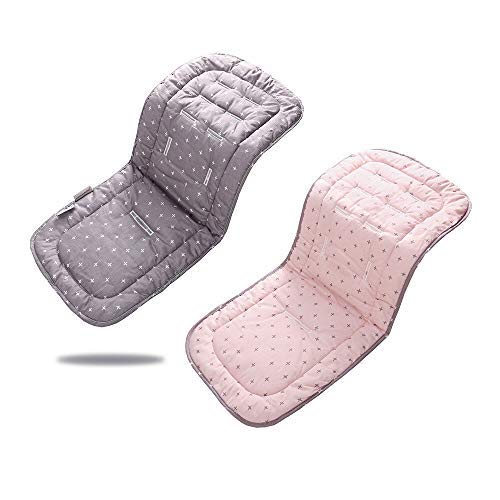
To solve compression leaking, just do what you can to lighten the load. Swap out microfiber inserts and charcoal bamboo inserts for thinner, more absorbent inserts like hemp and real bamboo(see the chart above). Adding onesie extenders to baby’s onesies (I’ll post a link below for more info), and planning for situations where compression leaks are likely, like the car seat on long trips (I’ll also post a car seat liner) will all help.

7. Make Sure You Have Enough Absorbency in Your Cloth Diapers
It sounds obvious, but many times leaks happen because baby is releasing XX oz of liquid into the diapers, but the inserts only hold X oz of liquid.
If you’re changing baby after a leak and notice that all the inserts are completely soaked, this is likely the problem.
How to Fix It
If you’re already